
Polyethylene: The Essence of Industrial Innovation and the Backbone of Everyday Life
Polyethylene: The Essence of Industrial Innovation and the Backbone of Everyday Life
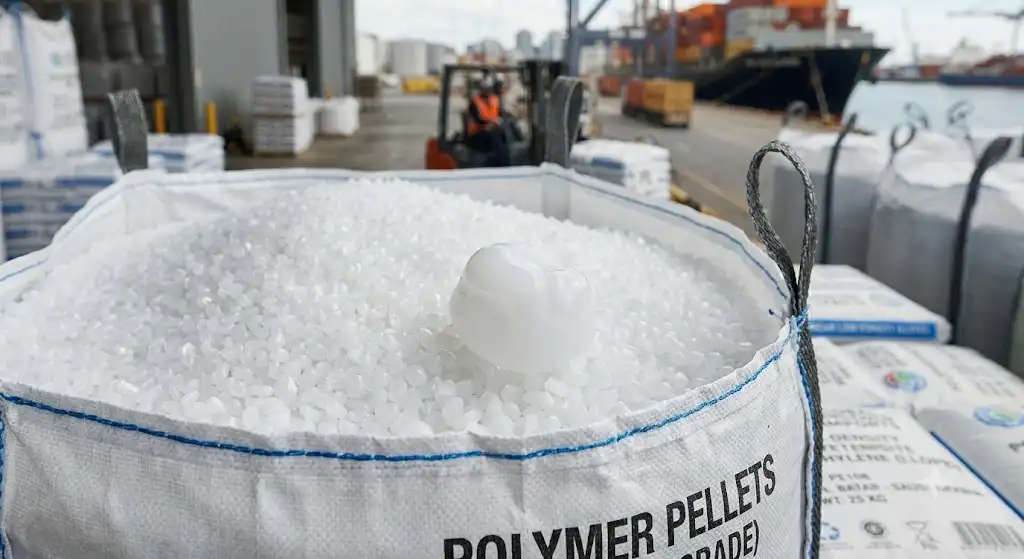
In the world of manufacturing, Polyethylene represents the essence of industrial innovation; a material that begins with a single polymer granule, yet expands to become the foundation for countless applications touching everyday life, infrastructure, and industry. It is not merely a polymer, but a platform upon which value is built, transforming raw materials into sustainable solutions that support growth and keep pace with future needs.
Polyethylene is considered one of the most widely used and produced thermoplastic polymers in the world, involved in the manufacturing of almost everything—from simple packaging materials to massive industrial pipes supporting modern urban infrastructure.
Why Does Polyethylene Reign Supreme Among Polymers?
Polyethylene derives its leading status from a set of exceptional properties that make it the ideal choice for manufacturers, most notably:
Superior Resistance: It features excellent resistance to harsh chemicals and solvents, in addition to being an effective moisture and water barrier.
Ease of Processing and Molding: It can be easily melted and shaped through various methods (such as injection, blow molding, and extrusion) to take any required geometric shape.
Durability and Long Service Life: It withstands impacts and various environmental conditions, making it suitable for applications requiring a long lifespan.
Lightweight: Compared to traditional materials like metals or glass, polyethylene provides a significantly lighter weight, reducing transportation costs and energy consumption.
Electrical Insulation: It is an outstanding electrical insulator, making it essential for jacketing and protecting wires and cables.
Main Types of Polyethylene and Their Applications
Polyethylene takes multiple forms based on its density and chemical molecular bonding, with each type serving specific applications across various sectors:
High-Density Polyethylene (HDPE):
Properties: Rigid, strong, high density, and tolerates relatively higher temperatures.
Applications: Used in manufacturing durable water and gas pipes, detergent and chemical containers, hard hats, and large tanks.
Low-Density Polyethylene (LDPE):
Properties: Flexible, transparent, and easy to stretch.
Applications: Primarily used in manufacturing plastic bags, agricultural sheets, flexible food packaging, and insulation layers.
Linear Low-Density Polyethylene (LLDPE):
Properties: Combines flexibility with high tensile, tear, and puncture resistance.
Applications: Ideal for stretch wrapping films, and heavy-duty bags requiring superior flexibility.
Polyethylene and the Future of Sustainability
Despite the environmental challenges associated with plastic waste, the polyethylene industry is undergoing radical transformations toward sustainability. This polymer is highly recyclable, as post-consumer products are collected and remelted to produce new items (such as pipes and trash containers), thereby reducing the carbon footprint and conserving natural resources.
Furthermore, research and industries today are leaning toward developing "Bio-Polyethylene" (Bio-PE) derived from renewable plant sources (such as sugarcane) instead of fossil fuels. This trend opens new horizons for a circular economy that protects the environment without compromising accustomed industrial performance quality.
Conclusion
The rise of polyethylene to become the most widely used material in the world was no coincidence; rather, it is the result of precise chemical engineering that provided humanity with a material combining high performance, practicality, and cost-effectiveness. As innovation continues in recycling methods and sustainable bio-production, polyethylene will remain a key driver of industrial growth and an indispensable element in building a more advanced and efficient future.